
Words by Noura Matalqa
This piece is part of the “Fields of Gestures” issue
To define home is to compete with the poets who spent hours pondering the deeper meanings behind a seemingly simple word. Is home family, belonging, safety? Is it in the foundations of the roof over our heads, or in the foundations of the relationships we make along the way? It is in not trying to look too deeply into this definition that makes Where We Meet as unapologetic as it is. It does not seek to define anything. It looks to show you one thing: we exist.
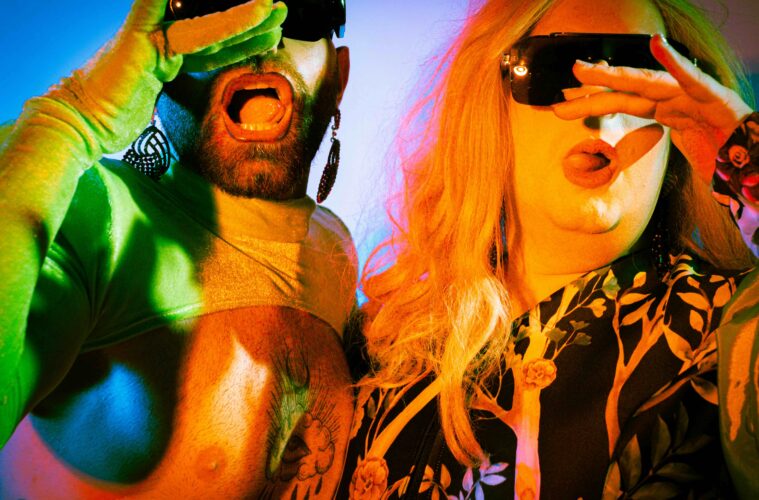
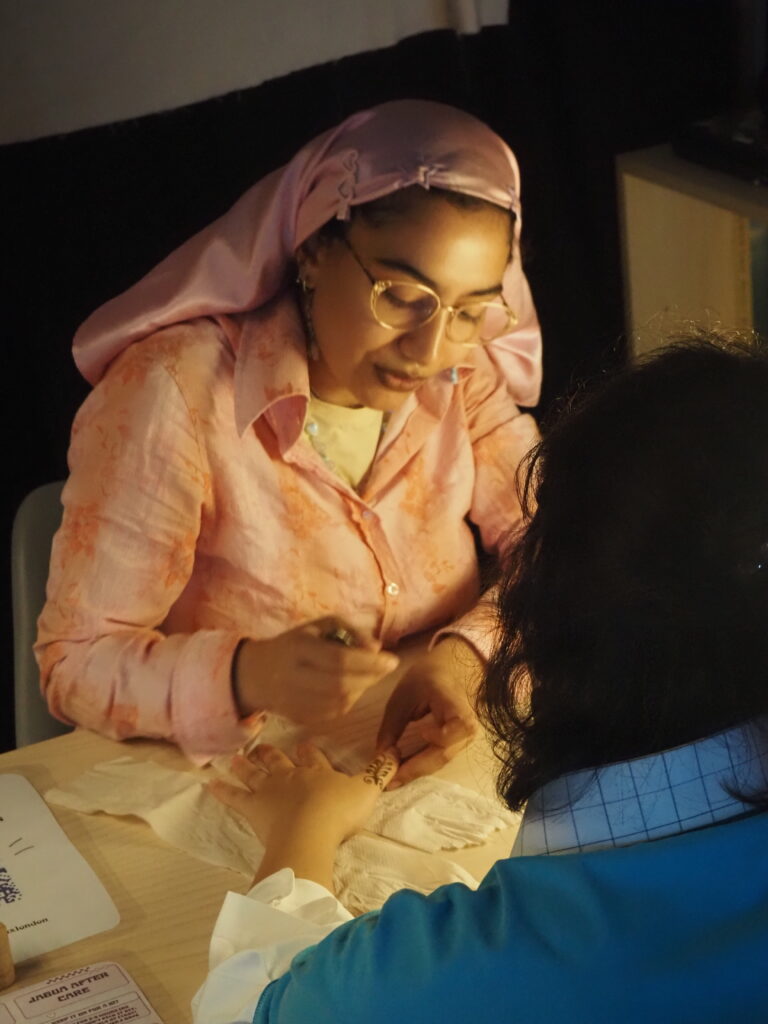
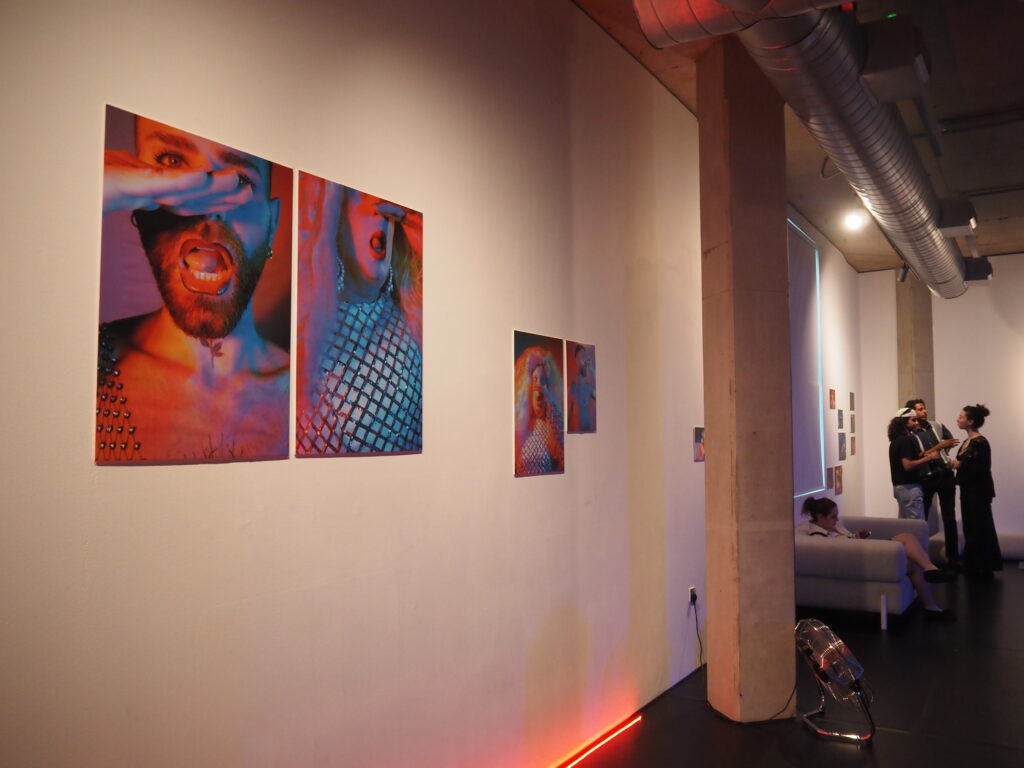
Presented by NAFS at Queercircle in London, Where We Meet brings together the work of Lebanese photographer Amal Ghamlooch, and Kuwaiti artist Munirah Al Mehri, alongside a wider programme of film, performance, and community gathering presented by Esra Balkas and Queer Falafel. Together, their work explores queer SWANA nightlife, migration, chosen family, and belonging. They reflected fragments from different projects, practices, and artistic disciplines; all united by a shared desire to document community and create space for connection. The result is a collective gathering where individual works enter into conversation with one another through a common exploration of home, memory, and the spaces in which people find one another.
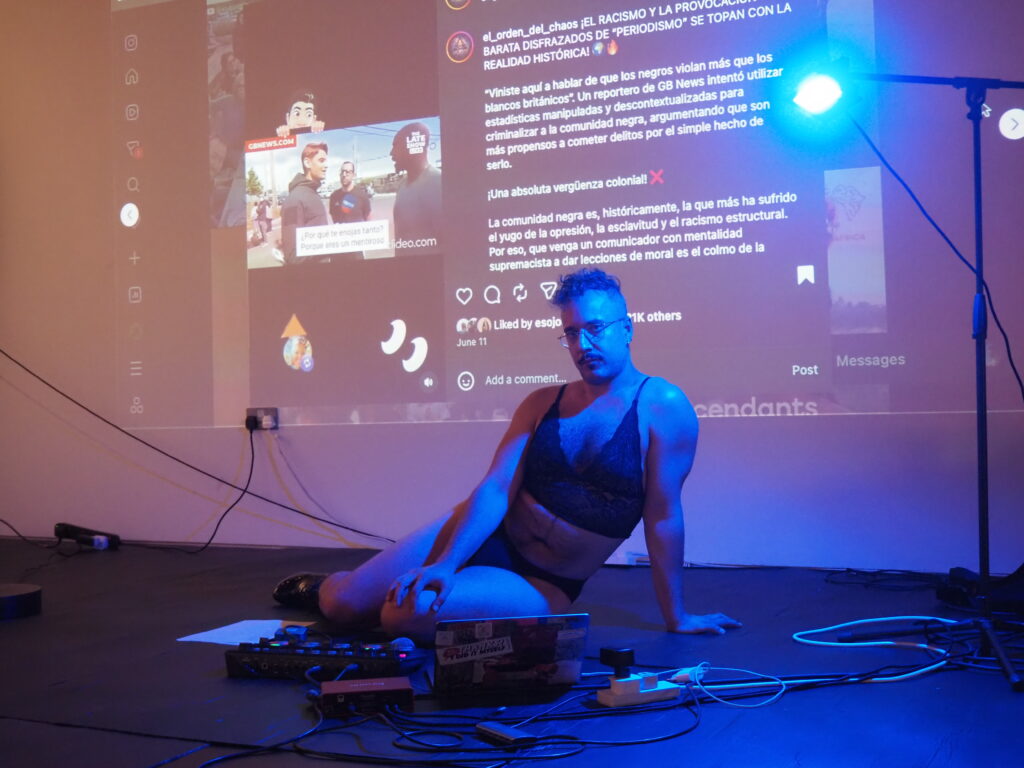
Queer Falafel photographed by Munirah Al Mehri
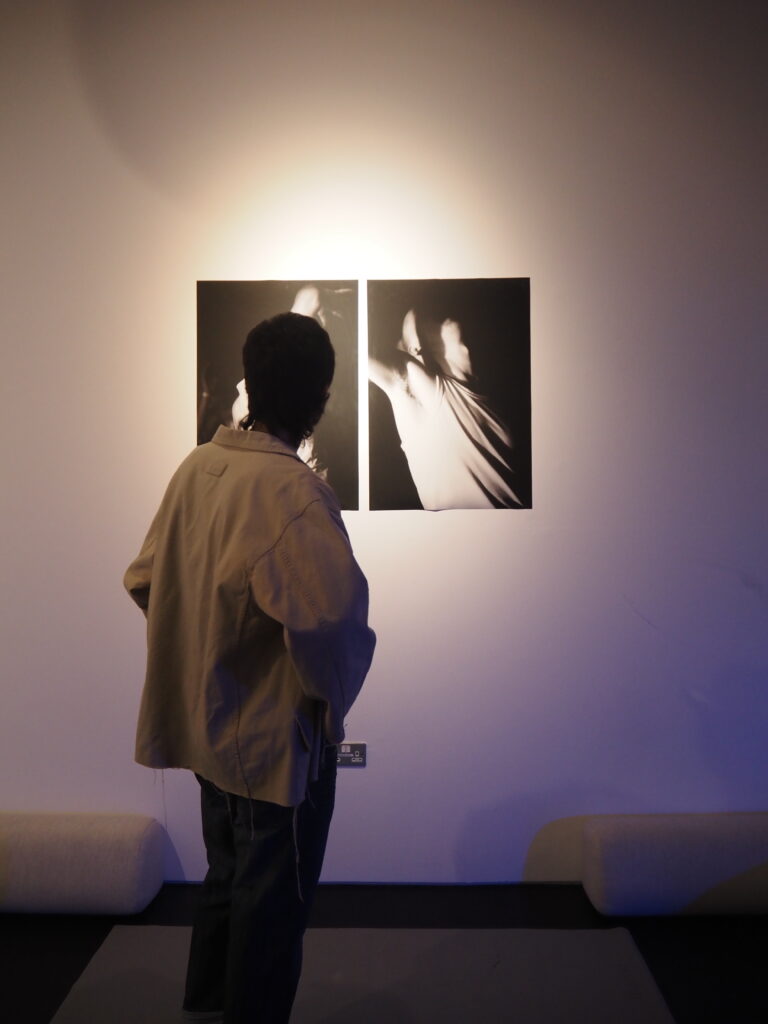
Photography by Munirah Al Mehri
The exhibition asks what happens when these moments are treated as worthy of preservation. For Ghamlooch, the answer began accidentally. Since 2018, she has been documenting life in Lebanon through her camera. She found herself revisiting years of photographs stored away on hard drives. What emerged was a recurring pattern documenting images of queer nights, drag queens, friends dancing, and communities gathering. “I realised I had so many photographs that would never be seen,” she tells me.
There is something refreshingly straightforward about the way Ghamlooch speaks about the work. Viewers often search for symbolism or hidden meaning, but she resists this impulse. The photographs are not attempting to justify the existence of the people within them. There is no deeper meaning to decode, no hidden message or nuance to uncover. They are just people dancing in a club, caught in a moment of joy, friendship and freedom. They simply exist.
That refusal feels particularly significant. Discussions around queer life in the SWANA region often become trapped between invisibility and explanation, as though existence itself requires context. Ghamlooch’s photographs offer neither defence nor spectacle. They present queer Lebanese life as something ordinary, joyful, and real.
Yet visibility alone is not what makes these photographs powerful. What lingers is the intimacy they capture. The images feel like memories borrowed from someone else’s camera roll as they preserve not only people but the atmosphere surrounding them: the freedom of a particular night, the comfort of expression, the feeling of belonging somewhere, however briefly.
Photography by Munirah Al Mehri
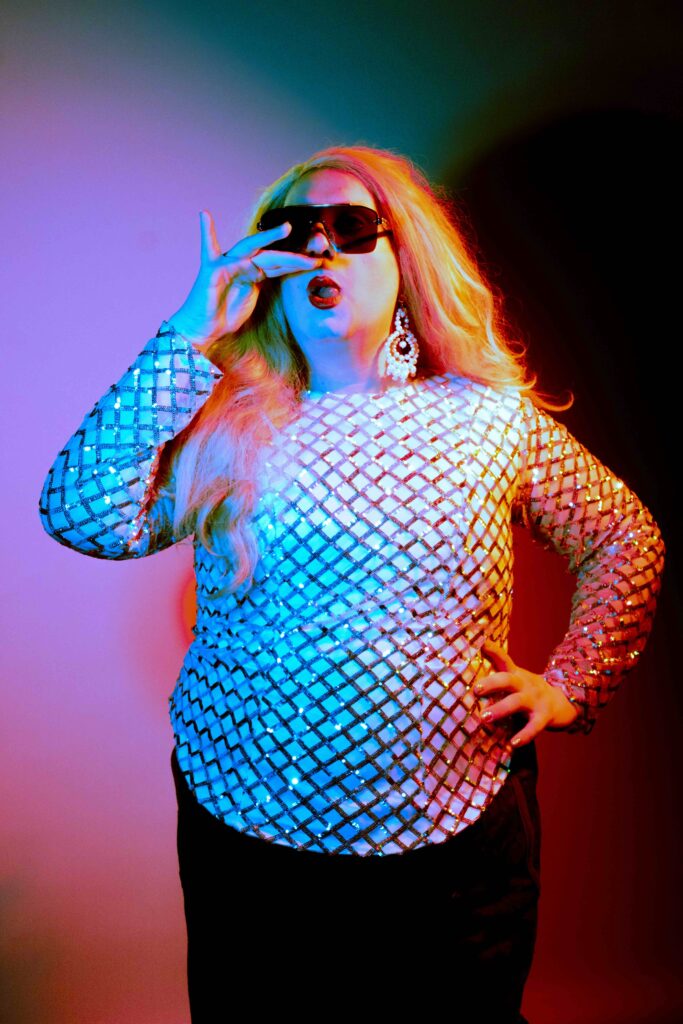
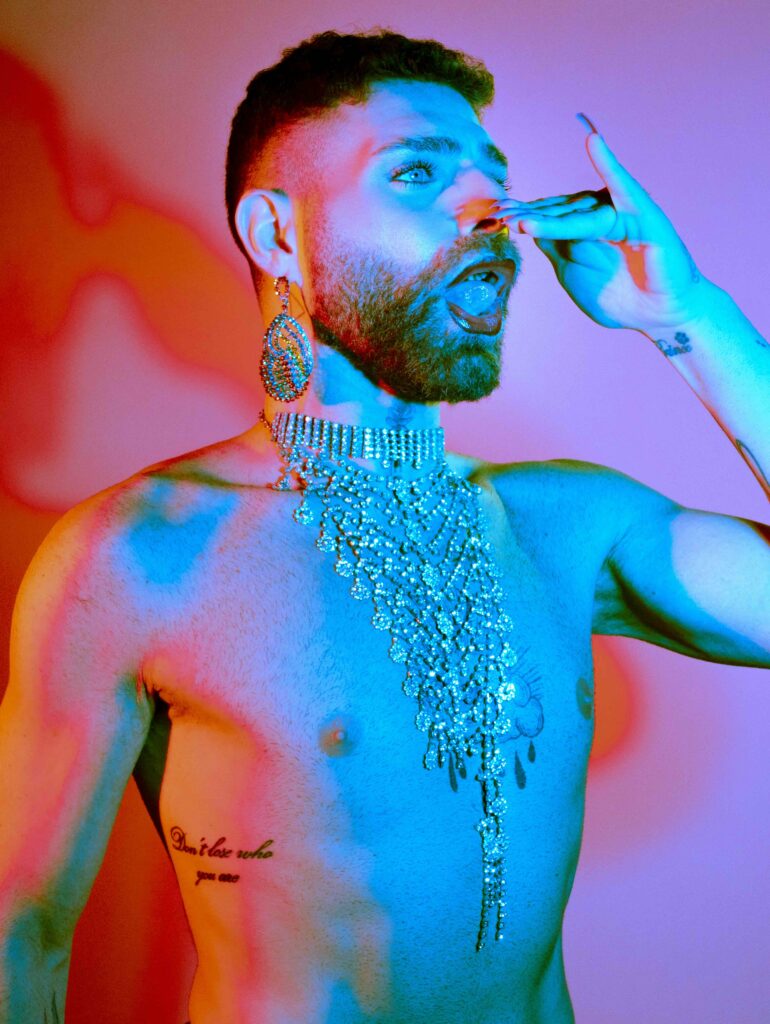
Melanie Coxx and Diva, photographed by Amal Ghamlooch in Beirut
If Ghamlooch’s photographs capture the night itself, Munirah Al Mehri’s video work considers what happens after. Titled OTW (On The Way), the short clips recreate the strangely magical experience of travelling home after a night out. Streetlights blur past the window. The city’s rhythm slows. The music may have stopped, but something of it remains. “The spirit and rhythm of the night stays with you,” Al Mehri explains.
Rather than being an exhibition that simply documents nightlife, Where We Meet asks what nightlife creates. The dance floor may be where connection begins, but home is built in what follows. In the conversations afterwards. The friendships that continue into daylight. The shared meals, long walks, and familiar faces that transform fleeting encounters into lasting community.
It is said that the dance floor is the place to go to escape reality. For many queer SWANA people living in diaspora, these spaces become a form of infrastructure, where reality is being actively built by the people who live them. Home, the exhibition suggests, is rarely a fixed location. It is something assembled collectively.
This understanding feels especially resonant at a moment when conversations around migration, displacement, and belonging continue to shape the region and its diasporas. While the discourse commonly presents home as somewhere one returns to, Where We Meet imagines it as something created through relationships, and photography plays a crucial role in this process.
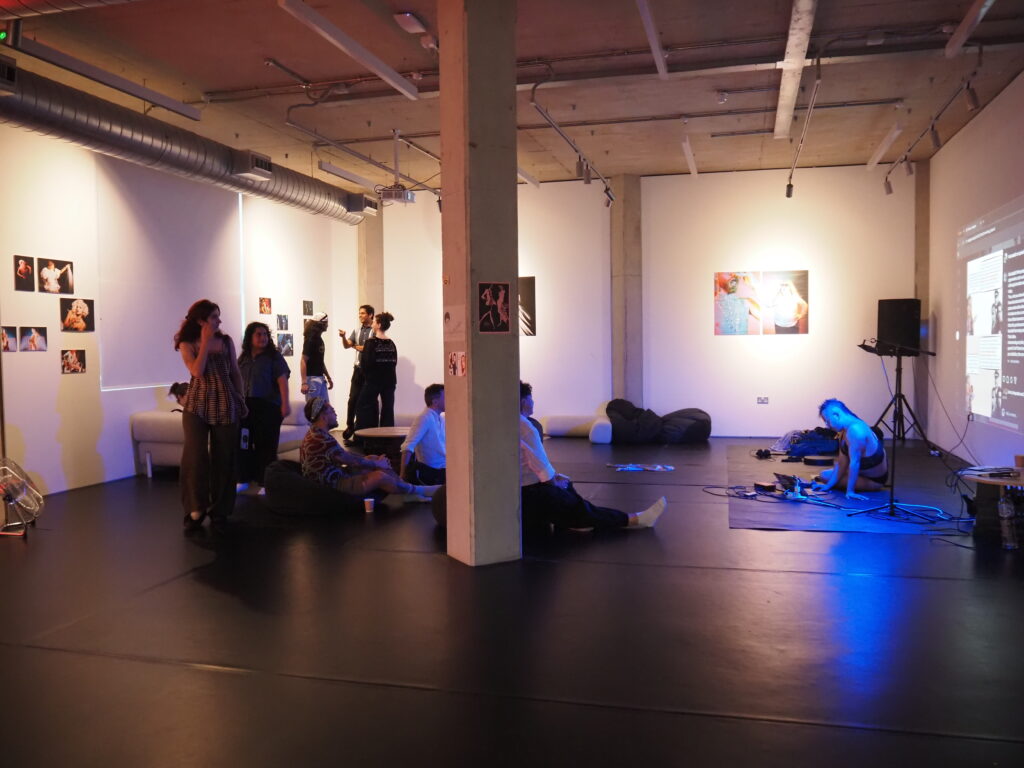
Photography by Munirah Al Mehri
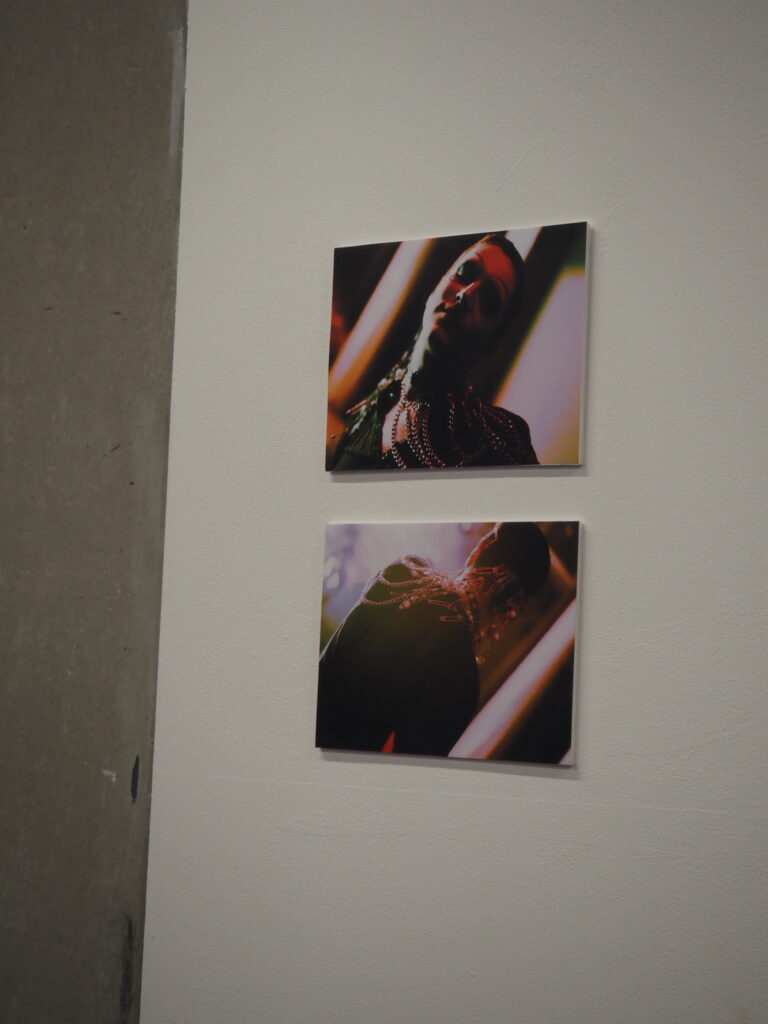
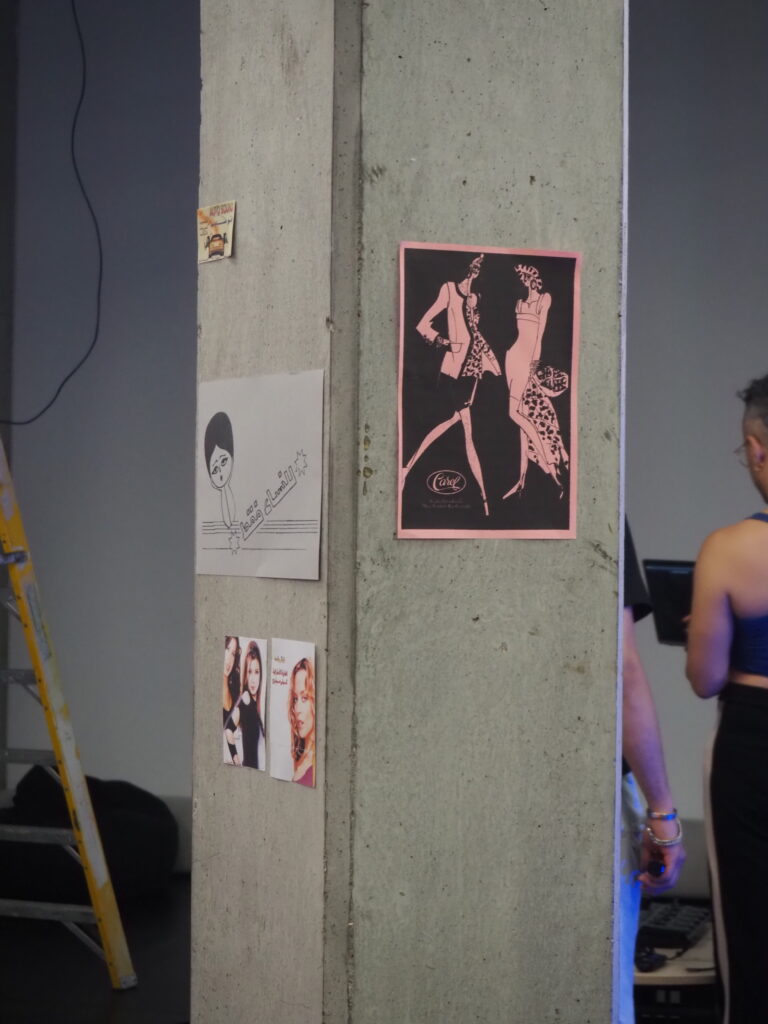
Photography by Munirah Al Mehri
Historically, many queer SWANA stories have existed outside official archives. They survive instead through photographs, personal collections, oral histories, and shared memories. In this context, the exhibition acts as evidence that these moments happened, that these communities existed, and that their stories deserve to be remembered.
Yet the exhibition never feels burdened by this responsibility. There is no sense of memorialisation for its own sake. The art presented remains full of movement, laughter, and possibility. By the end of Where We Meet, home feels less like a question of geography and more like a question of presence. It exists wherever people can gather without explanation, wherever they can recognise themselves in one another, wherever they can simply be.
The exhibition does not attempt to define home. It shows us what it looks like. Being at home. Being comfortable where you are, feeling safe to exist. That is a home, and it is that simple.