Words and Artworks by Sofia Pagliaro Vargas
This piece is part of the “Fields of Gestures” issue
I have often wondered what the deeper reason was that pushed my mother to leave her country of origin in order to build a life in a distant place. Among the many answers and images I have constructed over the years, I like to think that my grandmother Berta was the reason her daughter left Colombia. As a child, when I stepped off the airplane, the first sensation that overwhelmed me was the suffocating heat—the same heat I wanted to carry with me when the day came to leave again. South America is the land of the sun. The years spent crossing the ocean helped me understand the real reason why people are forced to leave. Detaching oneself from one’s home, from the memories of a lifetime, crossing the ocean without knowing when one will return is the price paid in the search for a better future.
Even more difficult is adapting to a reality that does not belong to you, one that is often hostile toward those who are forced to migrate from one continent to another.
Identity comes into contact with a culture different from the one in which it was formed, and it is often difficult to find a sense of belonging. The past belongs to us more than ever when we decide to migrate abroad; it reminds us of who we were and where we come from. Visual memory becomes a place of refuge, where memories settle like suspended clouds in our minds. They take on different forms, yet they can fade over time. For this reason, it becomes essential to care for the supports of our memory, so that what we have lived and what is part of us is not erased.
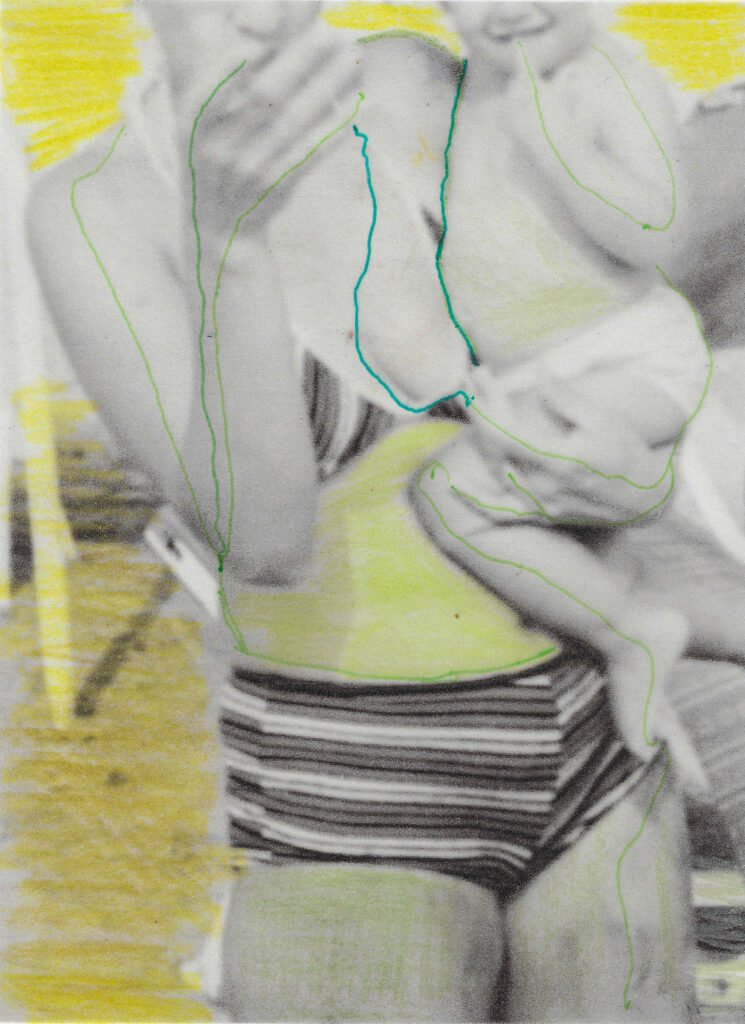
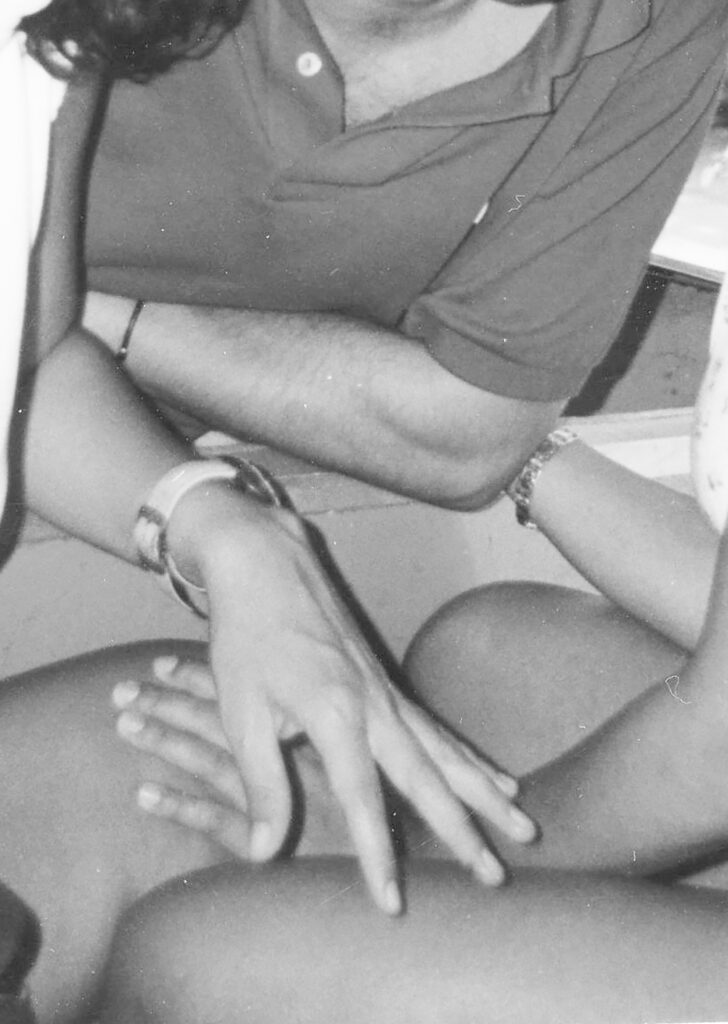
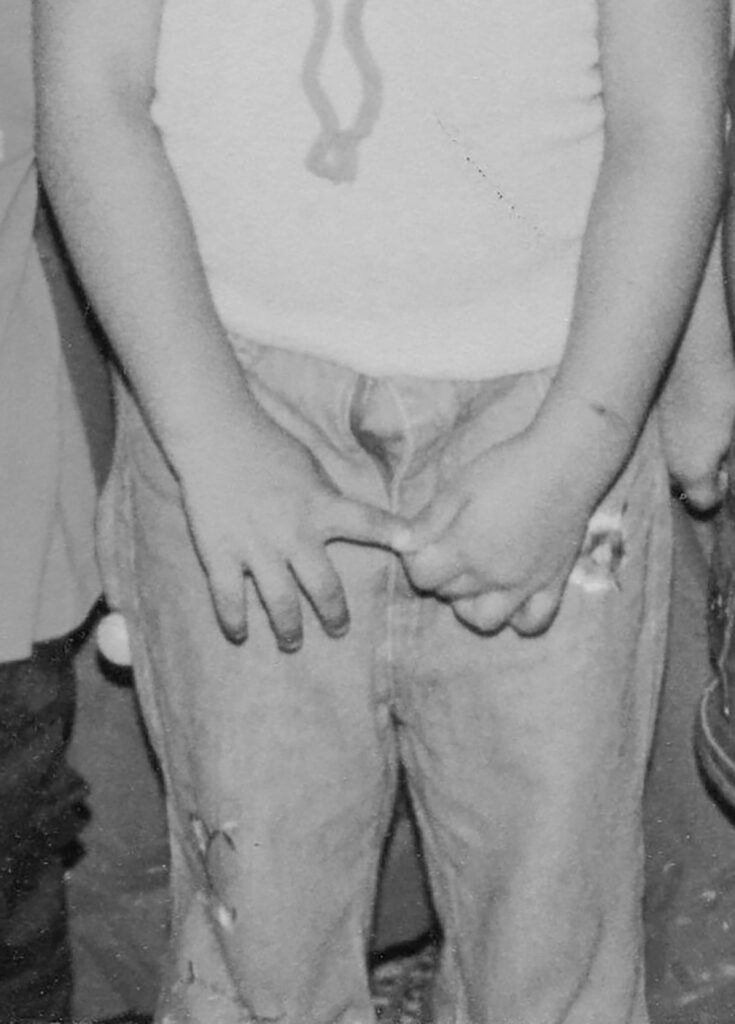
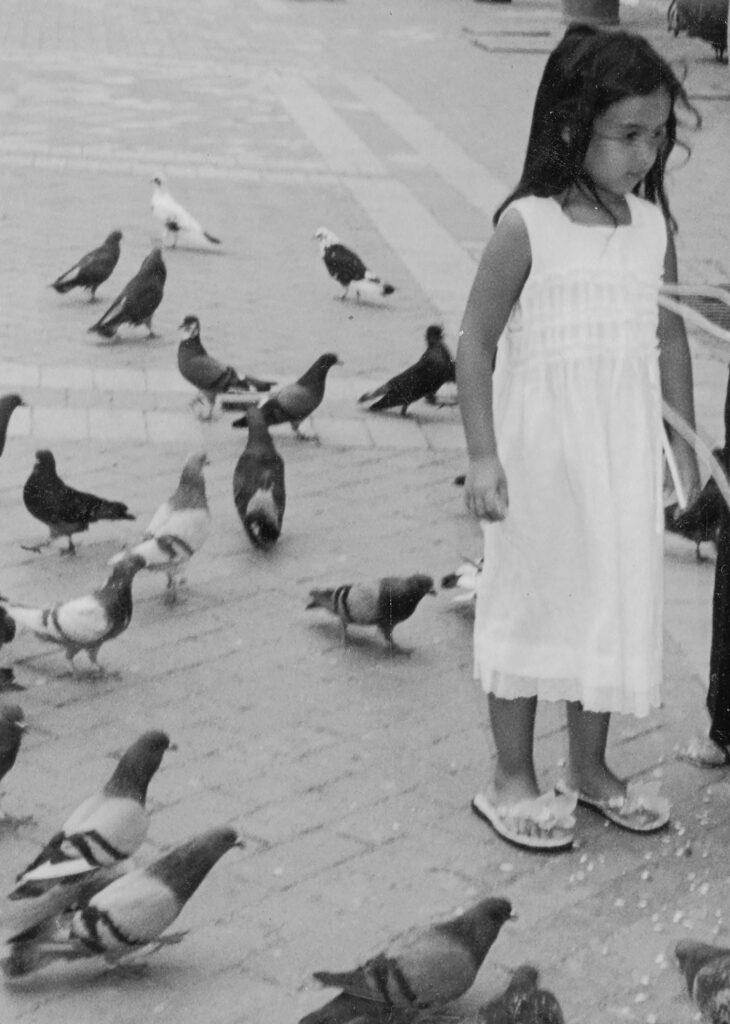
Over the years, I realized that I was searching for answers—a way to trace my origins and my mother’s personal history. I felt the need to create a new visual archive that could connect me, in some way, to the lived experiences of the women who gave me life. My family’s archival images became a precious territory in which to explore and experiment with new approaches to introspection, also through artistic practices. Collecting details and observing them from a more conscious perspective helps to tend to wounds that may have been opened even before we were born. Photography has always been a powerful tool for reproducing new realities with which to identify; it helps heal a collective imaginary that can be shaped by discrimination.
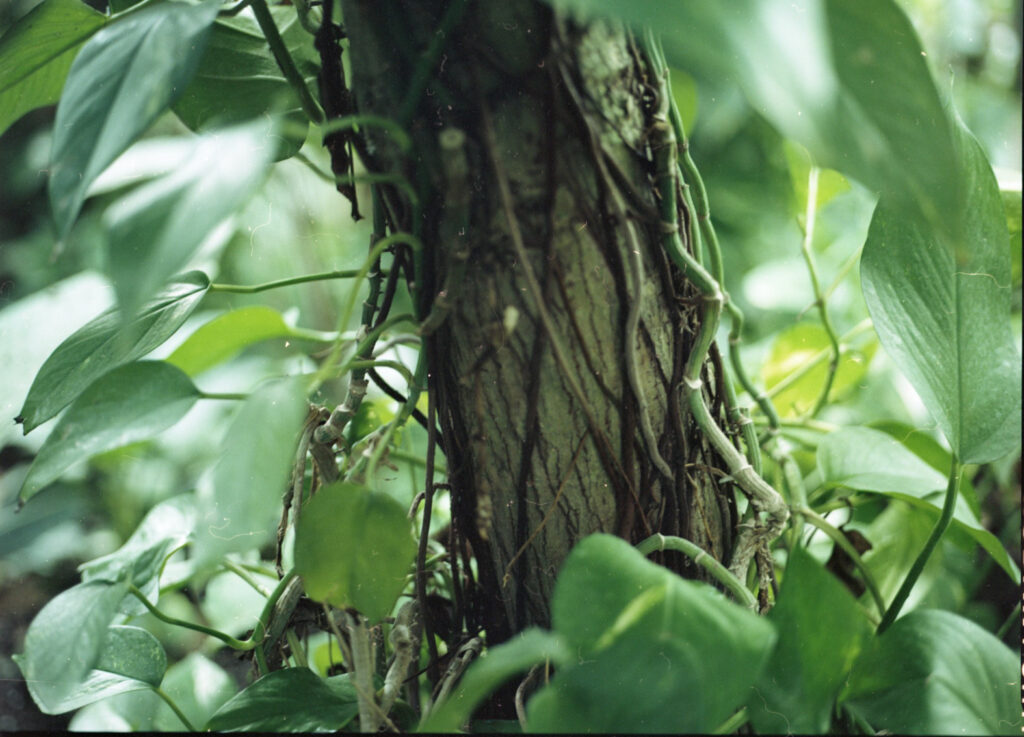
The fragile mechanisms that move our lives led me to reflect on the injustices endured. I came to understand that gender discrimination is a condition passed down from generation to generation, like ivy that wraps itself around the genealogical tree of each of us. It is easy—and dangerous—to allow this growth to go unnoticed, letting it envelop the generations that come after us.
Is it possible to interrupt this involuntary inheritance?
What would our lives be like if we had lived in a different world?
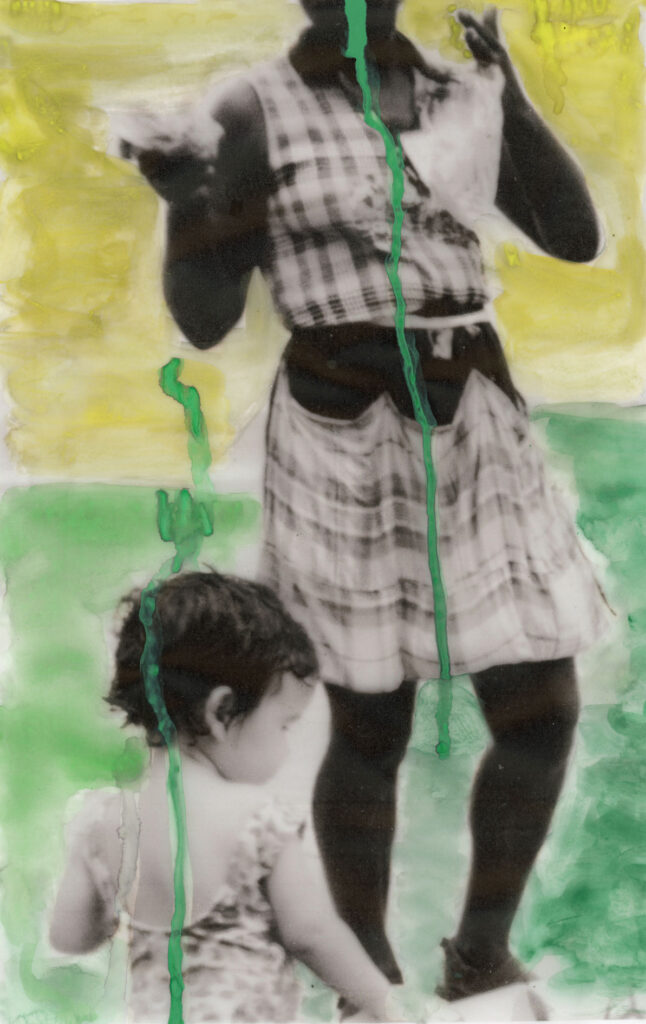
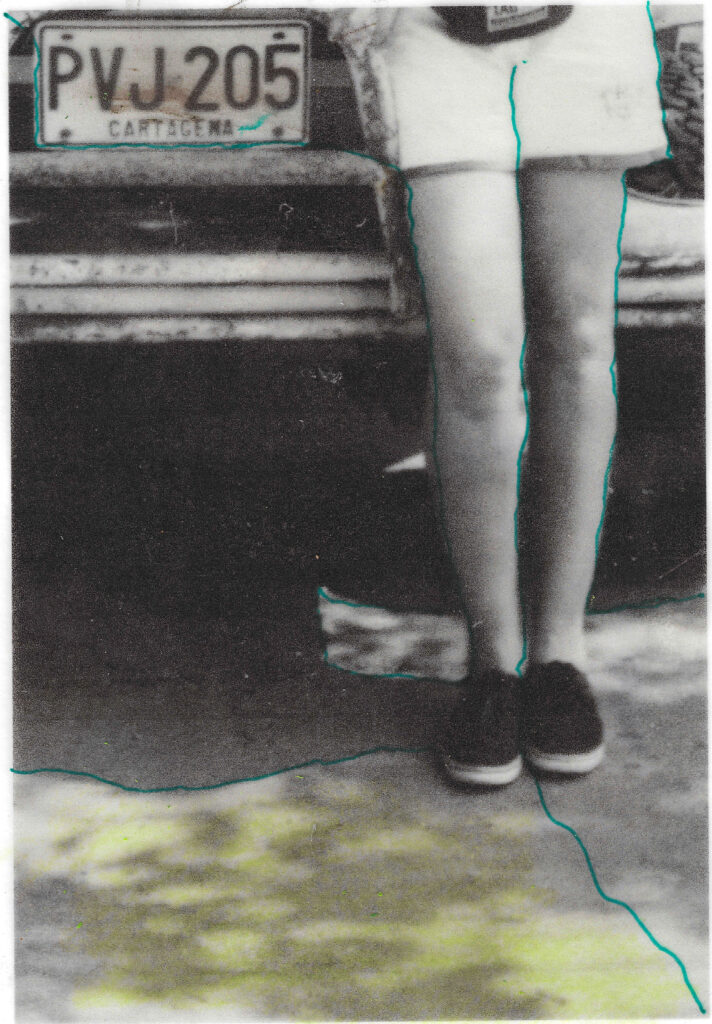
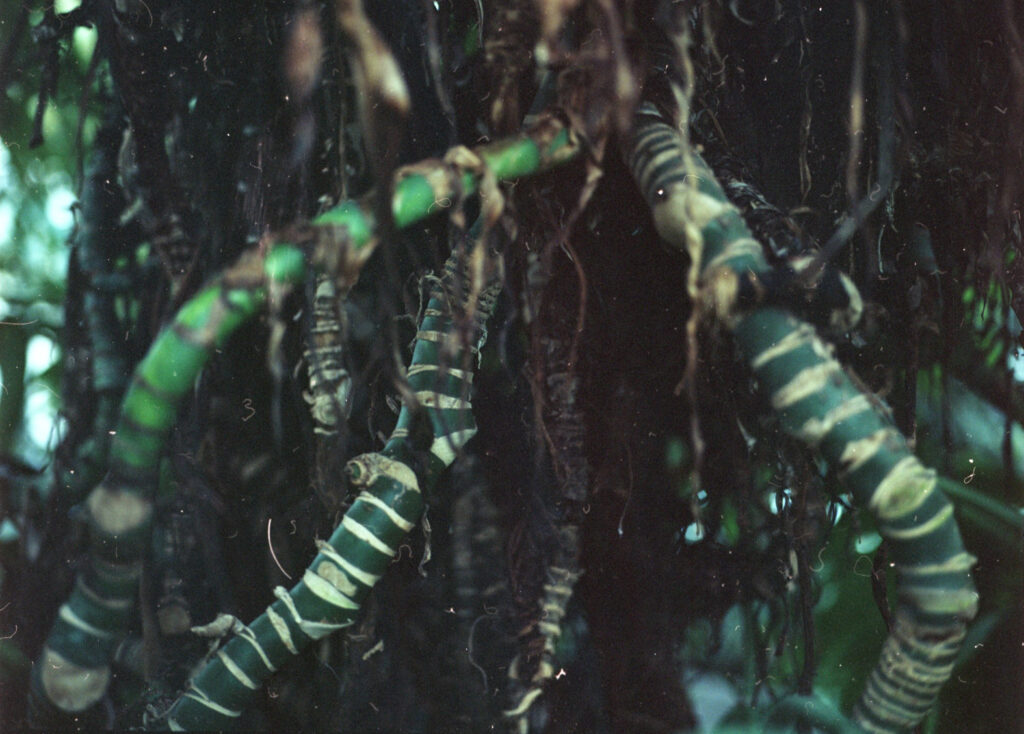
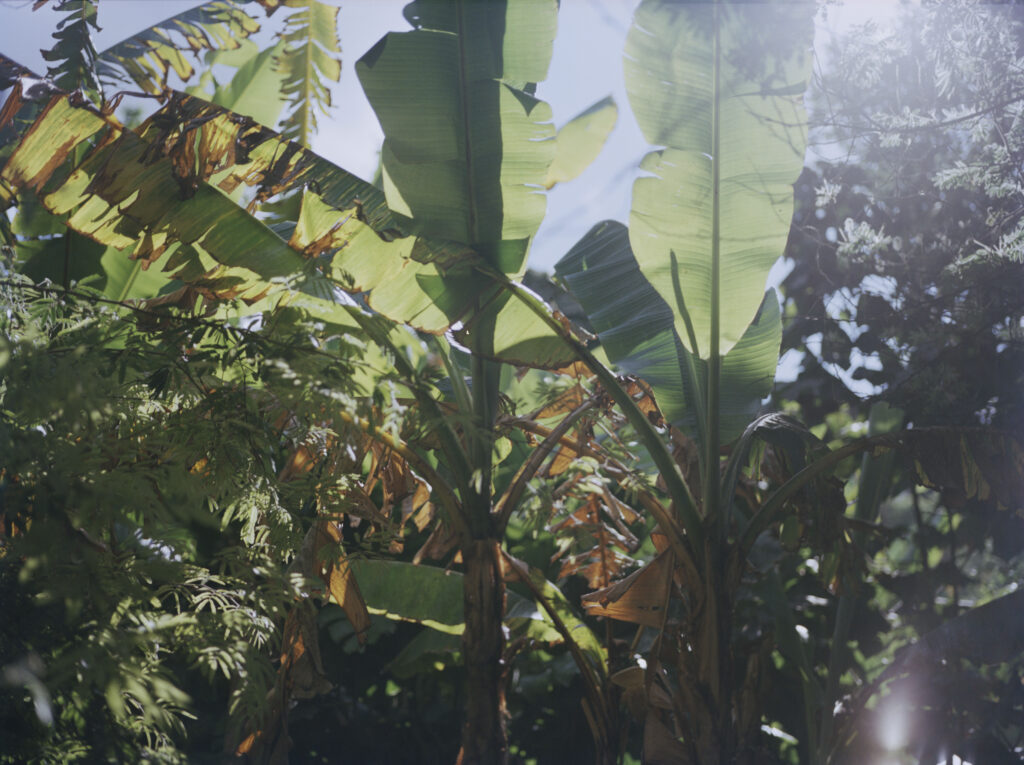
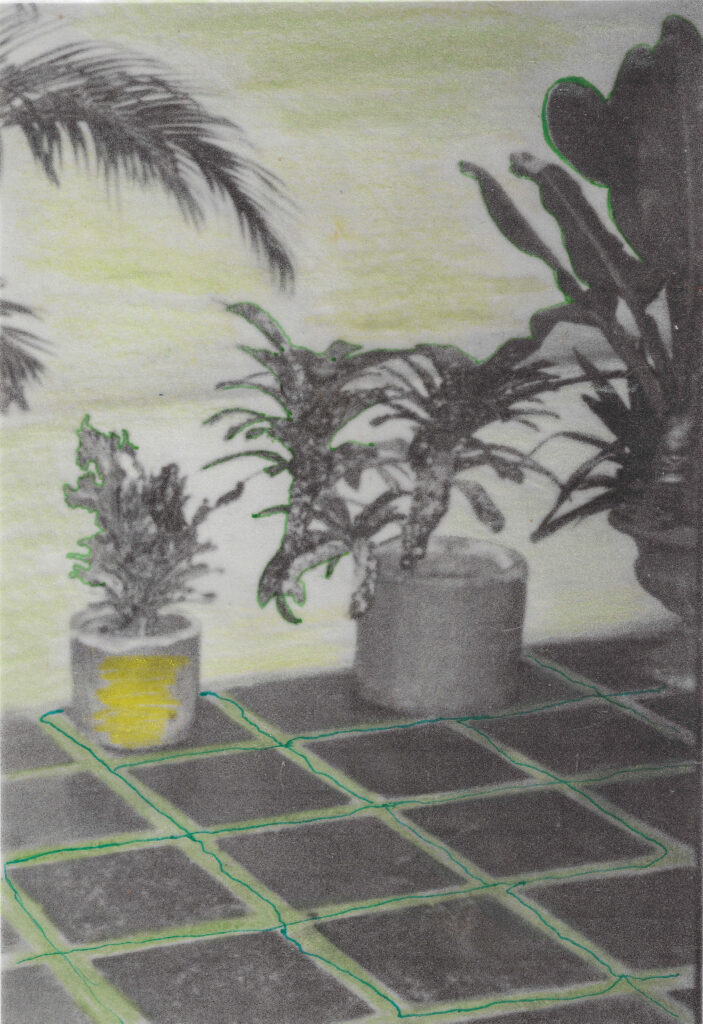
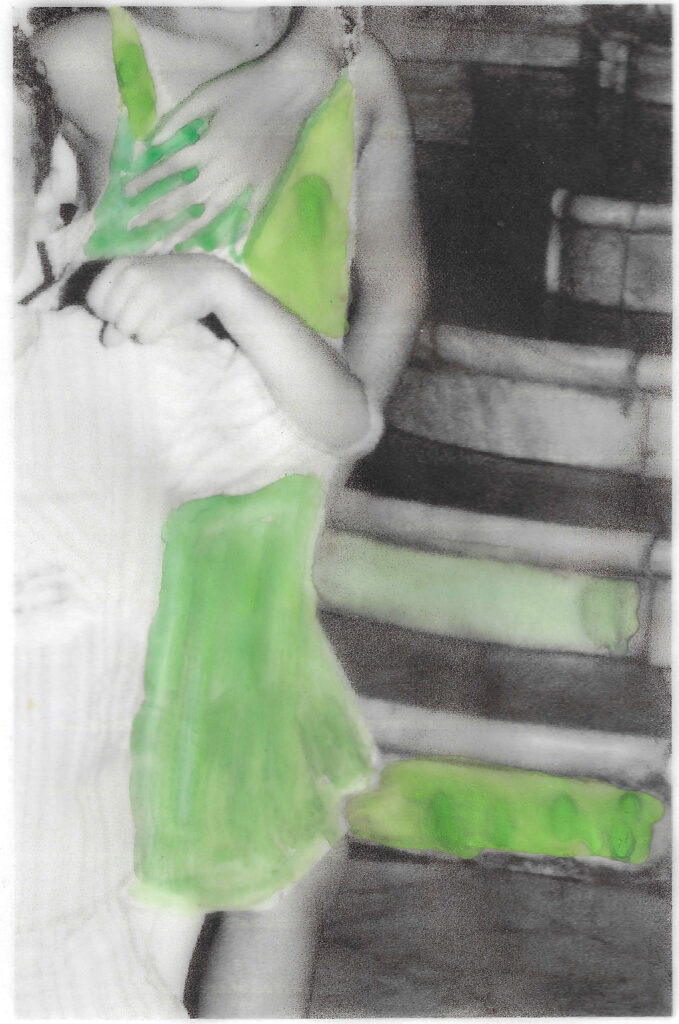
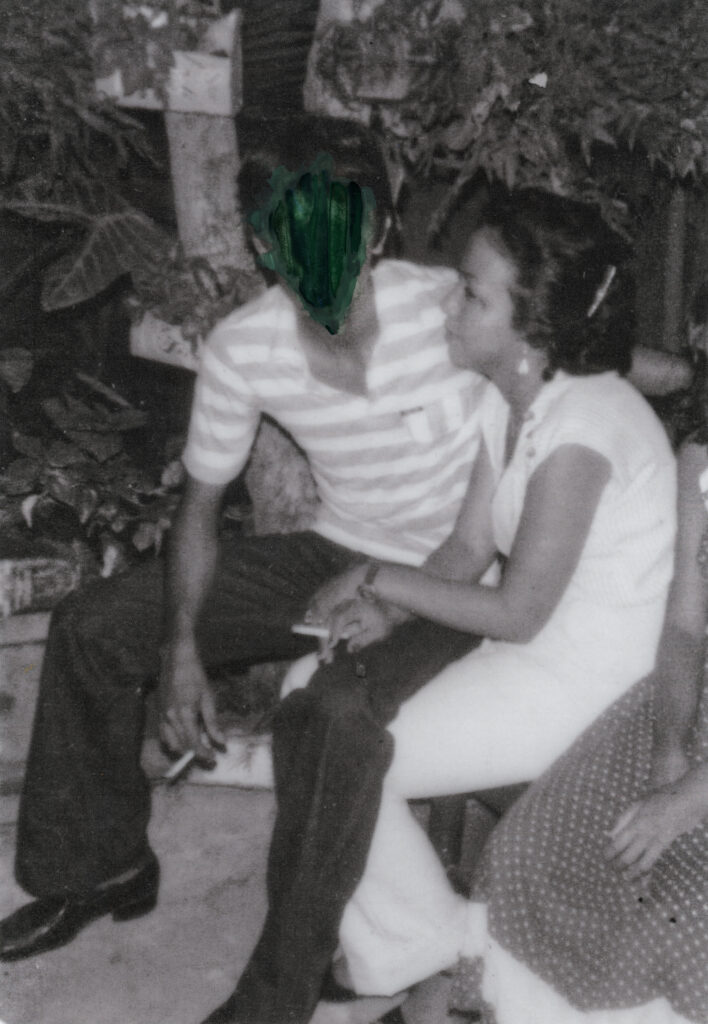
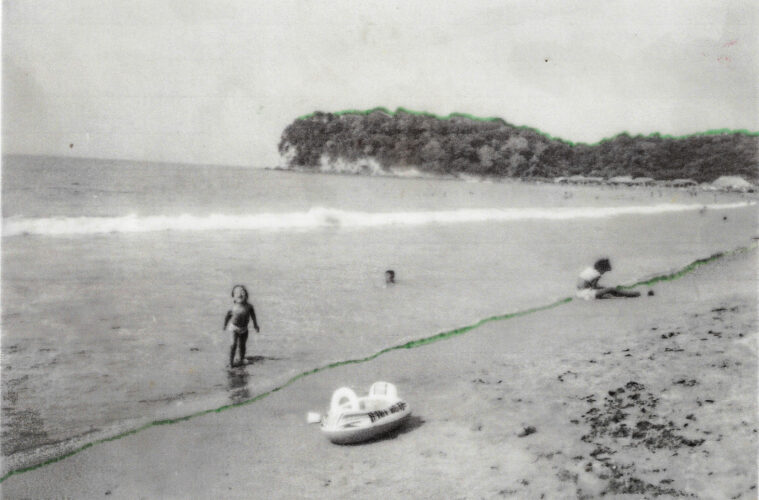
Not having answers to fill these gaps pushed me to search, to investigate the past in order to heal the present. From this process, stories were born—stories that gave rise to many small secret gardens, real and imagined places scattered throughout a vast forest created through pictorial experimentation on historical images from my family archive. Experimentation breaks patterns, moves beyond the image, and offers a space for identity, storytelling, rupture, and transformation. What can we build with what exists and with what has existed? This question places us in the position of narrating our own stories, of reclaiming control over the representation of our lives, and of feeling less predetermined by a past that often pursues us.
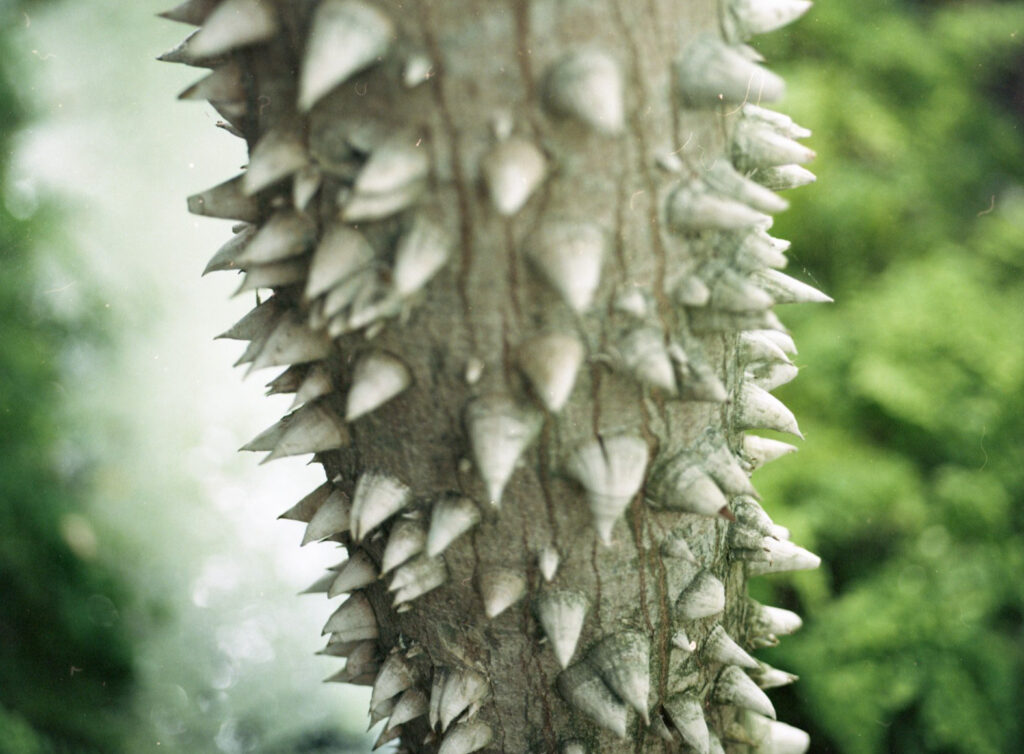
Imagination becomes a necessary tool. Thinking about a different world is not an act of escapism, but a political gesture—a form of resistance. There are narratives that have attempted this before, imagining spaces removed from structural violence, places where time and relationships could be rewritten. The possibility of a land inhabited only by women, hidden and inaccessible to the external gaze—not as a perfect utopia but as an act of rupture—opens a symbolic space in which to question what we take for granted. In these separate spaces, history is no longer linear, inheritance is no longer only a burden to carry, and memory can transform. The forest, as a hidden and protected place, becomes a metaphor for a possible archive: a territory where what has been marginalized, silenced, or erased can continue to exist and generate meaning. Through photography and art more broadly, it becomes possible to reclaim the present we inhabit, because they do not place us solely in the position of passive spectators, but of active authors who contribute their own perspectives.
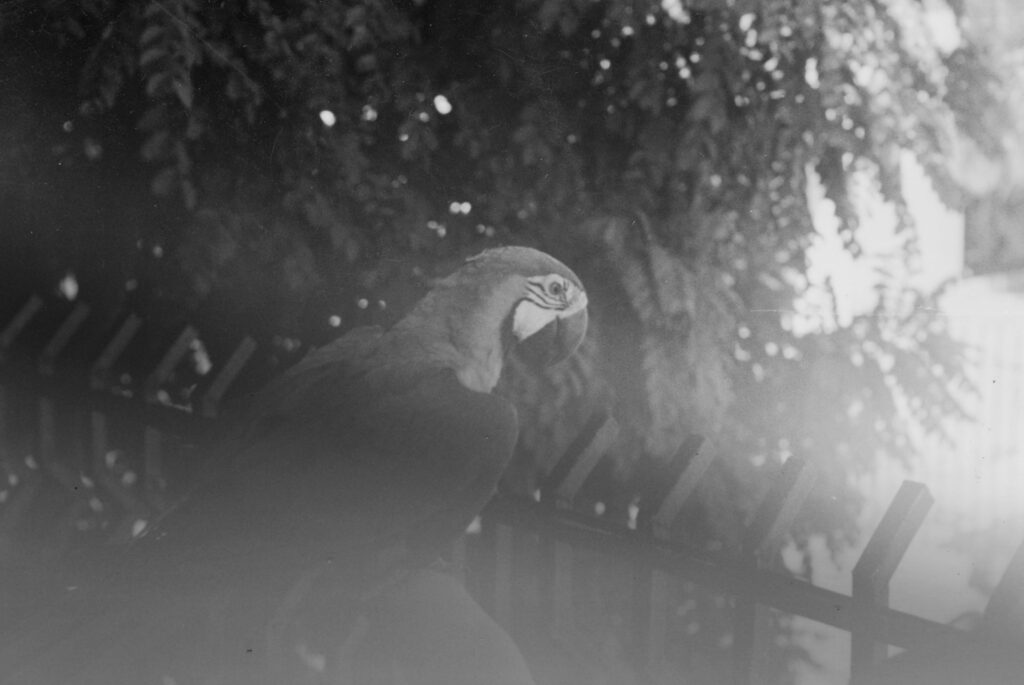
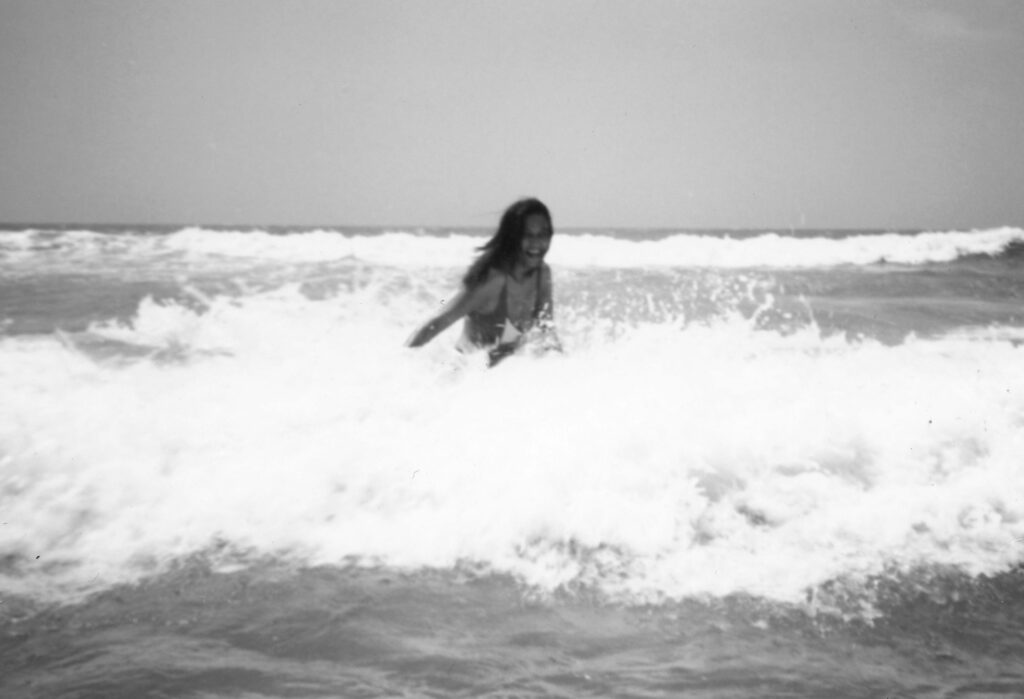
During the development phase of my archival project I Will Wait You Here in This Land, I allowed myself the time to learn how to draw a new line through the past—one that would enable me to better construct the new visual imaginary I was slowly building. Devoting oneself to this artistic practice can offer multiple benefits, especially on an identity level, as it allows new nuances of the self to emerge.
When living within a history of gender discrimination, it becomes essential to construct a strong imaginary— one that does not collapse even when confronted with violence. The images we can recreate through archives have the capacity to move beyond gender stereotypes and to create new realities in which it becomes possible to feel represented.
Throughout my research, I found that it is possible to create a collective narrative through archival documentation. Over time, the questions began to take on a more concrete form, and the answers became less frightening, because I understood that I was the one in control of the narrative. The project led me to reflect on the importance of transmitting culture and traditions through historical archives, which are an essential resource for reflection and for preserving the memory of a community.
Creating new collective archives means resisting oblivion and passing down new spaces in which to reflect on the present, on what has been, and on what could still become. One should never deny oneself the possibility of creating realities through photography, especially when this practice allows us to move beyond stereotypes imposed by discriminatory ways of thinking and by societies that oppress the individual.
Growing up as a woman, I learned to recognize how even subtle forms of gender discrimination are able to move silently on the surface. Learning to identify recurring patterns can be decisive in protecting oneself from gender-based violence. For this reason, it becomes essential to rely on meaningful visual references—to plant seeds so that future generations may grow with a stronger awareness than those of the past, and be able to embrace new values and imaginaries.