
Words by RIDIKKULUZ
Images courtesy of Sultana, from RIDIKKULUZ‘s archive
This feature is part of the “Sana wara Sana” issue
Trigger Warning⚠️: The following article mentions suicide.
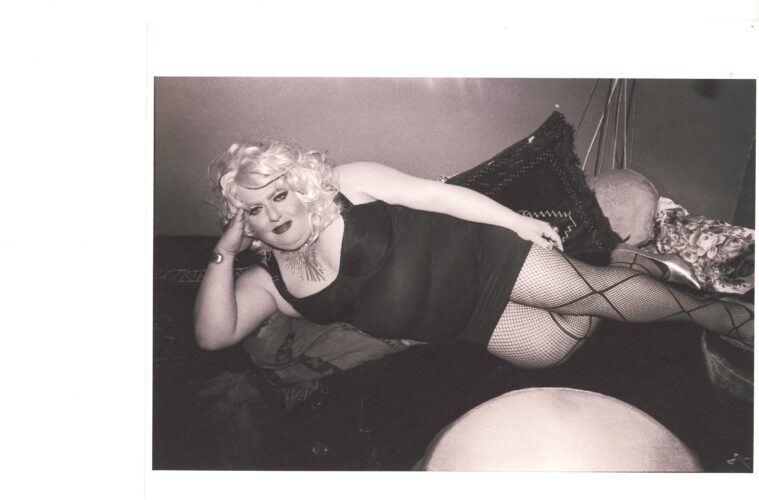
Somewhere in the Middle East Village, in an apartment on East 6th Street, lives the most fabulous person I’ve ever known. In that humble closet-sized studio that resembles an art installation, you’ll find wigs on top of a pile of paintings stacked atop of dresses and a used eyelash balancing on the edge of the table. She makes Arabic coffee as she prepares to take the city and put it in her pocket. So, who is this voluptuous Shirley Temple look-alike?
The social landscape of what it means to be visibly queer is constantly shifting. In a world where being Arab, queer, and visible is relatively new for the mainstream to digest, a history shaped by colonial erasure and pinkwashing leaves us scrambling for answers. We have records of Abu Nawas and Cross-Gender Acting in Ottoman Theater and then there’s a huge gap before we fast-forward to Rabih Alameddine and Bassem Feghali.
Trying to understand this gap is what led me to Sultana.
While searching for a reflection of myself, I googled “Arab queer NYC” and what I found was an Arab Drag Queen, Paula Deen look-alike on National Public Radio. In a Khalto accent, I heard the words:
“During the day, I am in a conservative business suit and by night I am the queen of the Middle East Village”
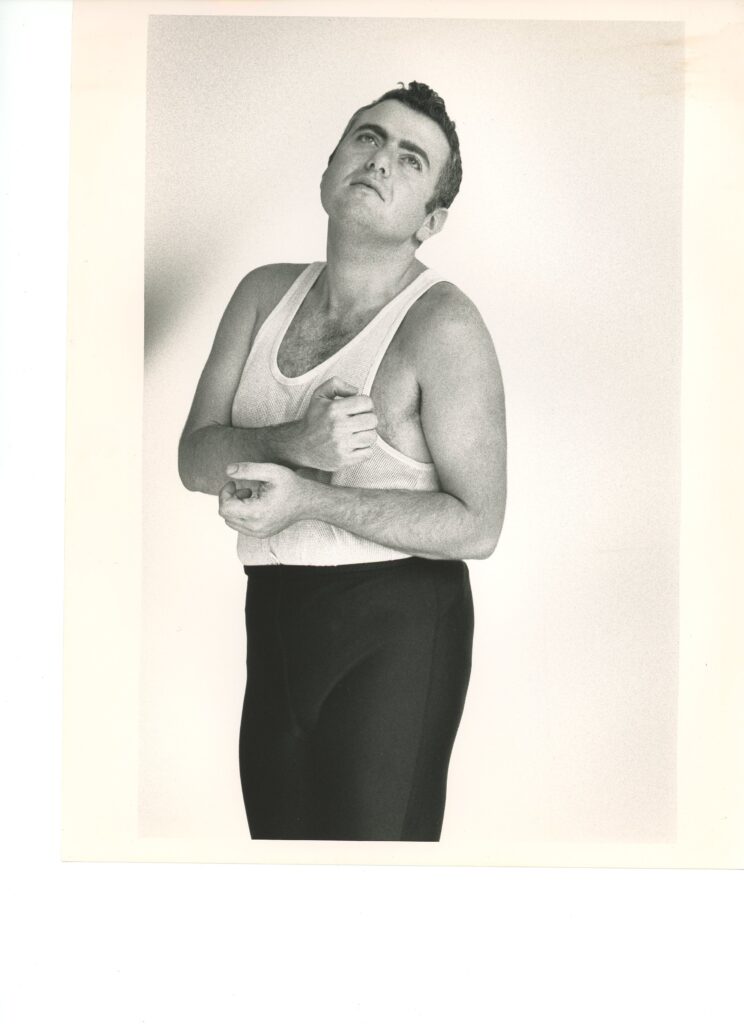
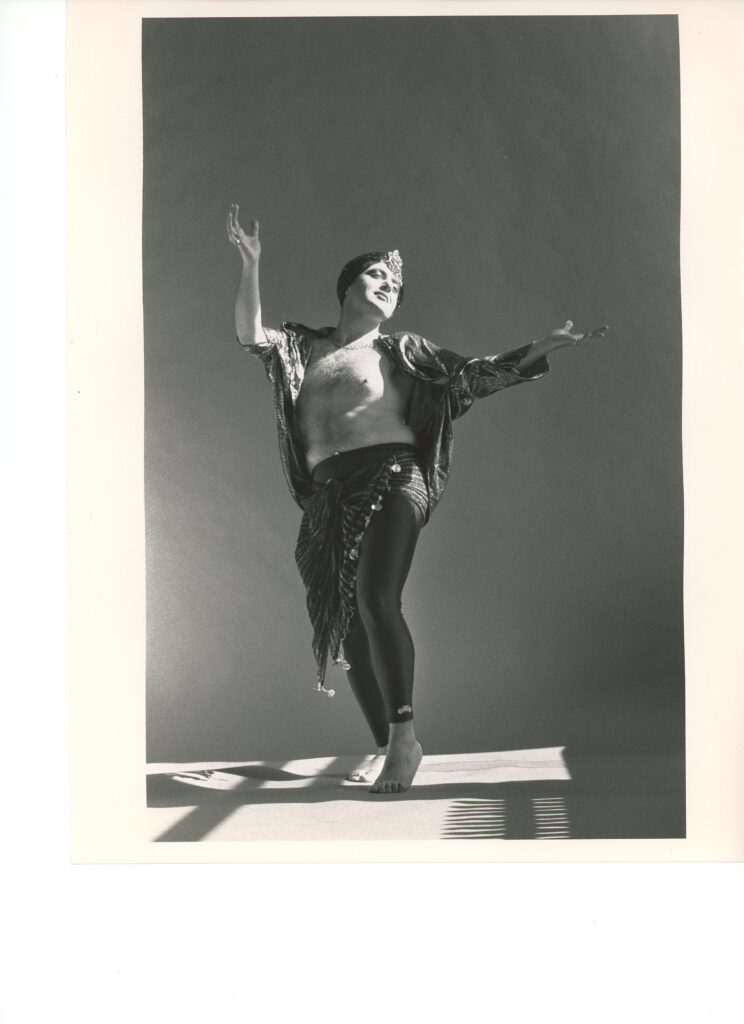
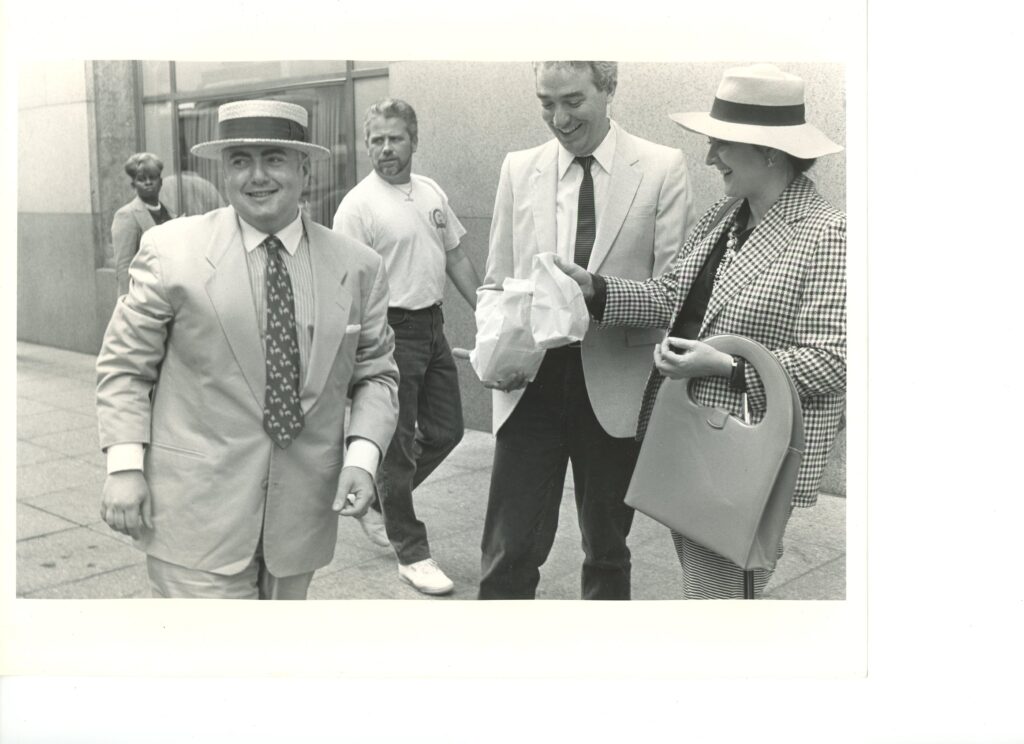
We first met up at Cafe Mocha, where she once ate knafeh for her music video “New York or Amman” (2016) lyrics read “I’m in an East Village cafe… you somewhere having a knafeh”. She recalls being escorted by a Bedouin while riding a camel in Wadi Rum. It took three large men to get her on top of a camel while being in full drag. “No one was shocked by Sultana” she said, “Everyone kept telling me ‘“oh you’re going to get arrested,’” a trope that follows us Arab queers everywhere, that we cant exist without danger . In reality, she says “they’d rather invite a gay man to dinner than a divorcee because the divorcee might steal the husband.”
Sultana is gloriously chaotic: a guest appearance on Sex and the City, an assistant for Ivanka Trump, painting workshops with the Queen of Jordan, a Tums commercial, starring as Mae West in an off-Broadway play, a jeweller, a prolific painter, but most importantly, a drag performer.
“Ana Ramlawi, cent pour cent Palestinian.” Sultana was born as Fares in Cairo to Palestinian parents educated in Beirut and raised in Amman. Sultana grew up in an affluent family and constantly references “High Society Amman” as she recalls having tea with her mother at the Plaza.
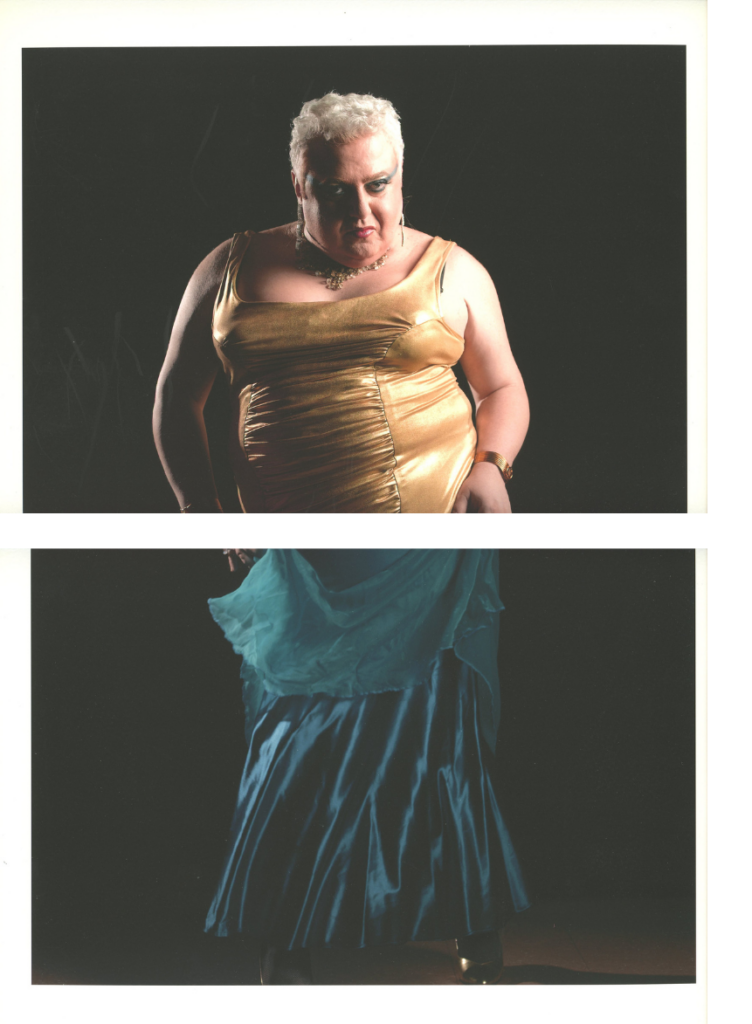
“My mom put me in a dress when I was 3. She’d prayed for a baby girl with blue eyes, and she got Fares, who later became Sultana. I’m the youngest in the family, and I remember her dressing me up in baby doll dresses, walking me around Cairo with my golden curls and big blue eyes. Growing up, I was basically a lo3ba, a doll. According to the shrinks, I was raised like a girl.”
Sultana’s drag name came from her grandmother. “She used to sew ballerina tutus, my sister was a ballerina, and that’s how I first connected with the color pink.”
But childhood wasn’t only soft textures and pink tutus, “I was playing with a ball with a childhood friend when it hit a soldier’s car and broke the glass,” she recalls. This moment led to her being kidnapped by the Jordanian army during Black September 1970. That same childhood friend would go on to direct her third music video, No Show Lover in 2010.
After the incident, Sultana’s father, concerned for her safety, sent her to boarding school in Beirut. As a Palestinian, he had experienced his own struggles; nationalised under AbdelNasser’s regime in Cairo, the family had plans to immigrate to Canada but ultimately settled in Jordan.
In 1981, Sultana first arrived in the U.S. to study business in Gainesville, Georgia, a place as conservative as her chosen major. “I hated it,” she says. “I couldn’t do economics or accounting. I had no idea what they were even talking about.”
Wrestling with fear and pressure to conform, she enrolled in conversion therapy. “The therapist told me if you pretend to like women, you’ll end up liking them.” A year later, a friend intervened with a word of advice: “Hire a prostitute, she’ll do a better job than your shrink.” That marked a turning point. She transferred to a fine art program in Louisiana, where she began painting seriously and finally came out.
In 1986, her father asked her to join the family business. She refused. “I won’t work with you. I don’t trust your employees.”. Three months later, the business went bankrupt. Three months after that, she held her senior thesis art exhibition. And shortly after, her father took his own life, as she revealed while filming her short documentary with My Kali. “I was painting like crazy, thinking I was the reincarnated Matisse… then my father killed himself.” She spent the summer in a daze. “I just sat by the window, not knowing what to do with myself.” Her family coped the only way they could: playing cards in silence.“It took me years to understand how a hardworking man could kill himself.”
It was her mother, now 92, who encouraged her to move to New York. “Your father was always too serious,” she told Sultana. “Dance! Wear scarves! If you do drag, make sure you’re pretty!” On a recent visit to Amman, Sultana returned the favor, gently applying makeup to her mother’s face.
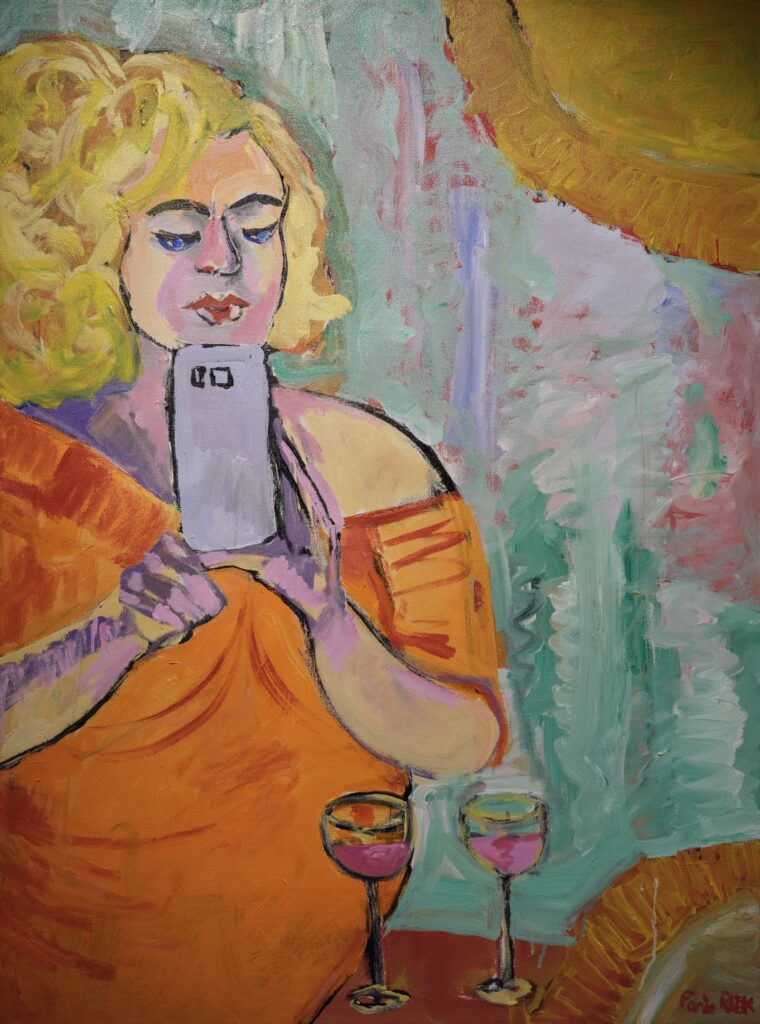
On the left: Sultana, Date Night, acrylic on canvas, 2018.
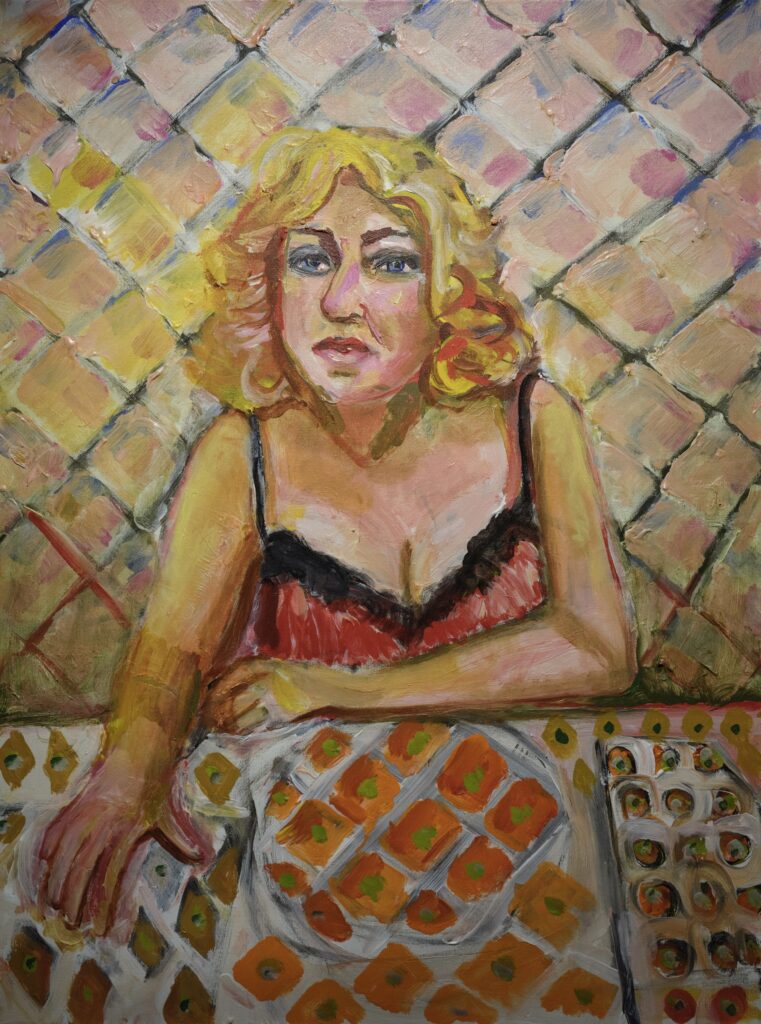
On the right: Sultana, Knafeh, acrylic on canvas, 2026.
“Do you want me butch or do you want me femme?”
Queer parents have historically been blamed for making their children “that way” and this was evident when her brothers blamed her mother. “My mom had an issue with my weight, not my sexuality.” Often, queer people will have other flaws picked at as a way to deflect from the actual problem straight people have with us. Sultana’s relationship with her mother mirrors the one I have with mine. Complicated but full of love and adoration.
The grief followed her to New York, muting her creative instincts. “It was like I forgot how to hold a paintbrush,” she says. “As if I’d never painted before.”
Still, she found her way. At Parsons School of Design, she studied under the late Robert De Niro. Sr., immersing herself in the New York art world. Her subjects? Lovers and nightlife legends: Amanda Lepore, Candis Cayne, Kenny Kenny, and Sophia Lamar. Like many femmes, what started off as getting in drag every Halloween turned into a full-time gig. In the ’80s, she moved through the debutante circuit. In the ’90s, she was a club kid. “Amanda Lepore and I used to eat candy in the bathroom because Amanda doesn’t like to eat in public with those lips of hers.”
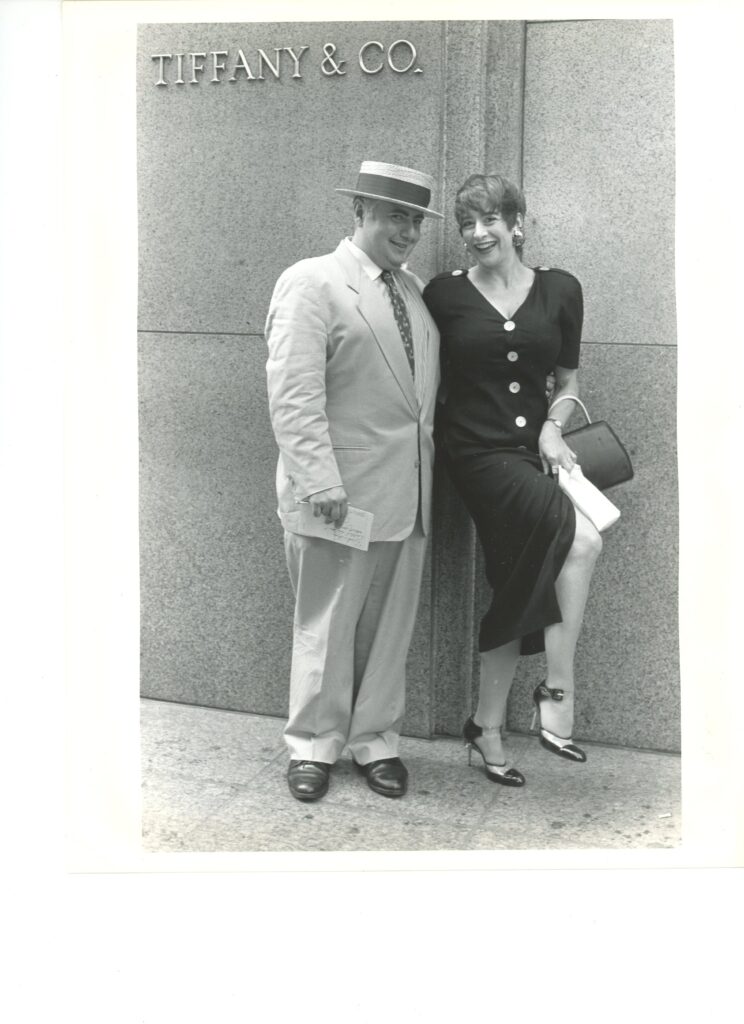
She formed a lasting friendship with Patricia Field, the visionary stylist behind The Devil Wears Prada and Sex and the City. Yes, the iconic keffiyeh halter neck (designed by Michael and Hushi A/W 2001) on Carrie Bradshaw? That was Pat. She’s also the one who got Sultana a guest-starring role on Sex and the City, and today, Patricia owns one of Sultana’s paintings. They even traveled together to a wedding in Jordan, where Sultana continues to visit family and her gallery, Wadi Finan.
An article had come out in the NYTimes of Sultana in drag, and the next week, she was out of her job. Mix it up was her first music video and revenge from the corporate world when she was let go from Tiffany’s.
“Sultana puts the belly in belly dancing,” as someone once said. In 2016, I saw it firsthand during her Warda lipsync at the iconic NYC drag staple, Lips. Lips was the spot everyone went to on their birthday for a drag show and a balloon penis. Like many old-school drag bars, it had a set roster: Liza Minnelli, Madonna, Tina Turner, Cher. For international flair? They had Sultana, cast as Warda Al-Jazairia.
Picture it: a Palestinian drag queen belting Haramt Ahebak to an English-speaking crowd every week. “And that’s how I became a novelty,” she told me. “The first Palestinian drag queen in New York, a downtown staple.”
The very next week, she invited me to help her during a shoot for a book called “Drags” by Gregory Kramer. She was photographed with 100 other drag queens, and in that fitting room, some I recognized: Peppermint, Lady Bunny, and Sasha Velour. I soon realized the depth of the legacy. “Sultana has never paid for a drink. Fares knows a lot of people, but Sultana knows everyone!”
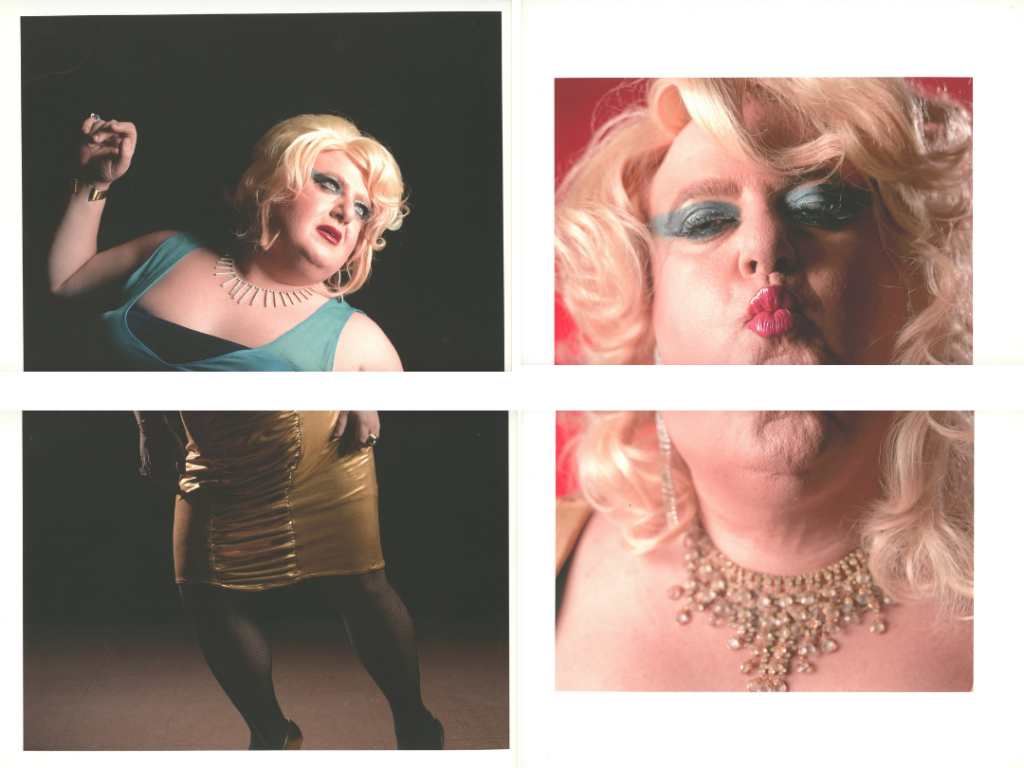
“I was born to be in front of the camera.” In 2006, she was cast in “My Super Ex-Girlfriend” starring Uma Thurman and Anna Faris. In a world where clout is chased in whispers and wrapped in false humility, Sultana is a direct breath of fresh air. She’ll walk right up to someone and ask, “Are you the connection of my career?”
“Drag gives me the license to flirt,” she says when speaking on navigating life in a dress versus a suit. “Sexuality is not black and white. Every man has a fantasy…Oh, you’re straight, but you’ve been coming to my house for 30 years.”
“When Sultana sleeps with a man, does she feel like a man sleeping with another man or do I become a woman during the act? The million-dollar question I always get asked is if I take female hormones. One time, a guy told me that God wanted to make me a girl, but halfway he changed his mind.” Sultana often reflects on how others try to place her within rigid ideas of gender during intimacy. Rather than being allowed to exist without question, she is met with interrogations that reveal more about others’ discomfort with ambiguity than about her own reality, projecting onto her body stories of what she “should have been.”
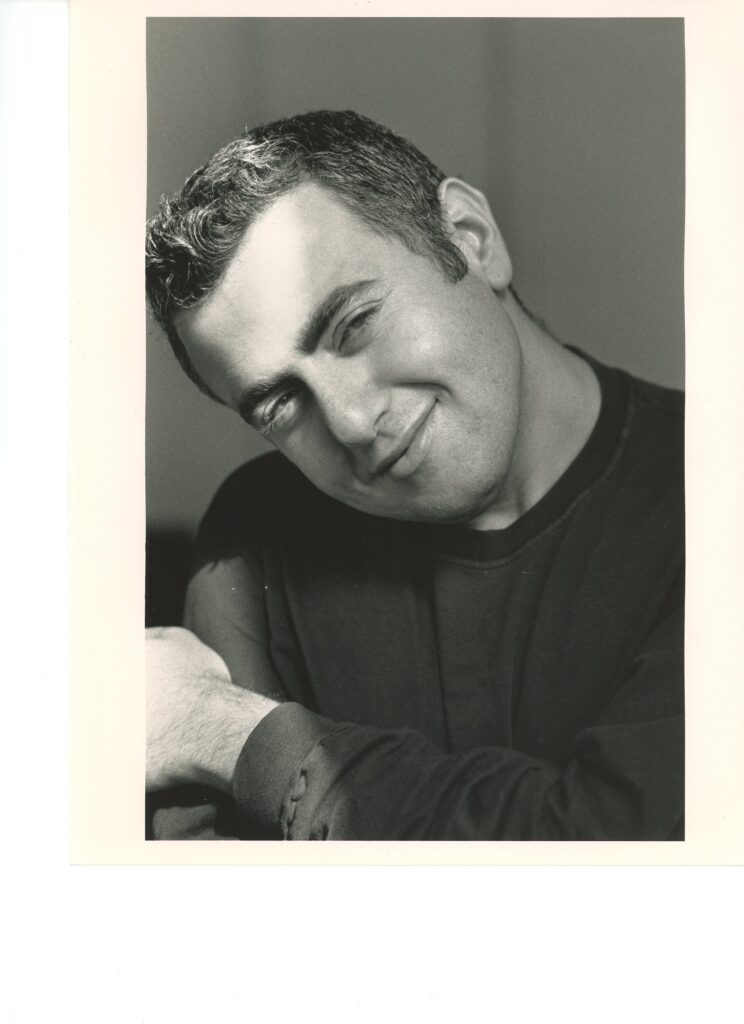
Sultana, like many Arab Queers, grew up listening to Dalida and is her biggest inspiration. “I remember listening to her at the hair salon in Cairo as the ladies put their hair in a 60’s updo. She was my goddess. I wrote her a letter, but she never responded. My parents took me to see Dalida at the Piccadilly in Beirut and the palace in Jordan.” During her trip to Paris in 2023 to perform at Cabaret My Kali: Ya leil Ya Eyein, Sultana visited Dalida’s house and cried in front of her statue while taking a walk with Khalid Abdel-Hadi (EIC of My Kali).
Whenever someone meets my gay mother, the reaction is always the same: “Wait… how have I never heard of Sultana?” And honestly, it’s a fair question. Sultana has always been deliberate about how she presents herself, revealing enough to inspire and dazzle while protecting parts of her life so she can move through multiple worlds at once.
“I’m coming back from Cairo on the way to New York. Stopping by Paris, have toast, pop a cork. Is it uptown? Is it downtown? Is it diamonds? Is it drag? Don’t be afraid to mix it up,” she sings in Mix it Up, a manifesto about existing in multiplicity. Whether in a dress or a suit, life for Sultana is drag, performed according to what the category is calling for. That blurred line between secrecy and spectacle is what makes Sultana feel larger-than-life and, at the same time, profoundly human. A lot of us can relate to this complicated relationship to visibility, torn between hiding and being seen.
And yet, what started as secret living room soirées -queer joy behind closed doors- has now become full-blown, ticketed, global events- thanks to social media and a devoted community. A kind of visibility my generation benefits from, but did not build.
That’s how Sultana ended up performing for Cabaret Ya leil Ya Eyein during the running exhibition Habibi, les révolutions de l’amour at the Institut du Monde Arabe in Paris. I’ll never forget it: she performed Har’ramt Ahebak and the crowd lost it. A ten-minute standing ovation. People were bowing, whistling, jumping out of their seats, screaming “Sultana! Sultana!” I just stood there thinking: Did she finally get her flowers?
No formal exchange, but it was understood – she was the OG.
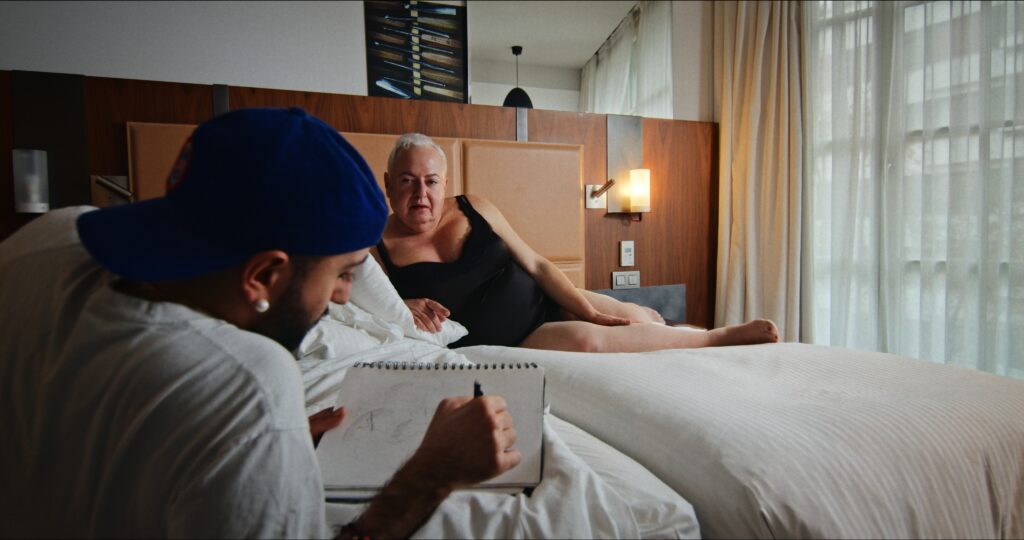
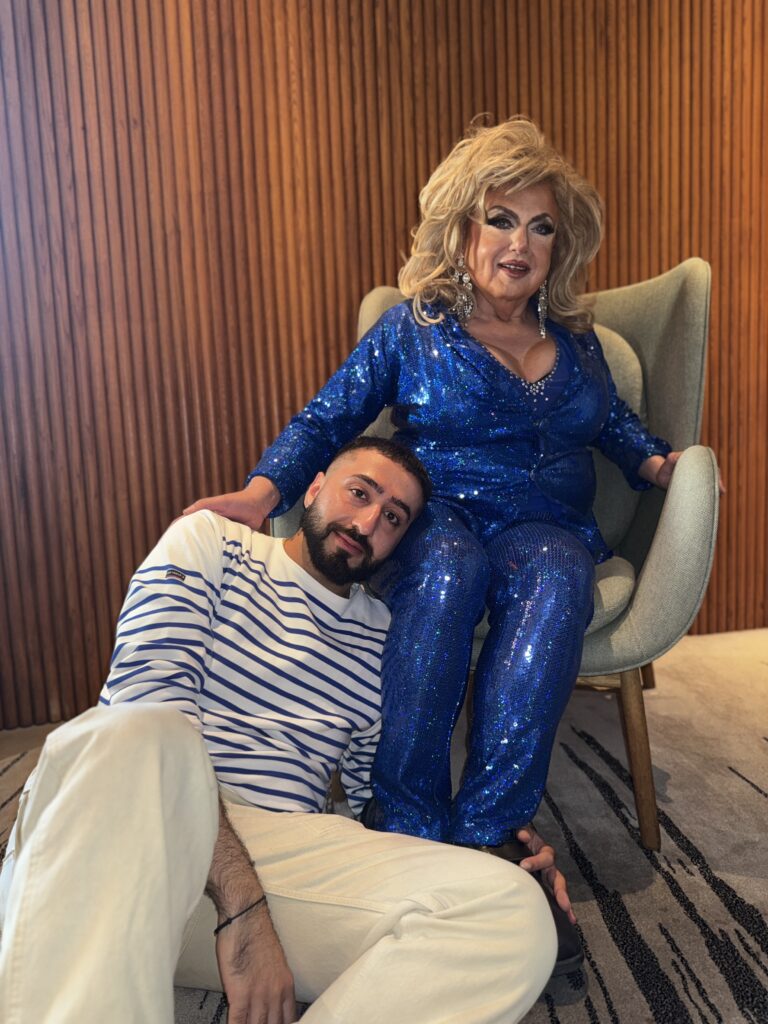
Top image: Ridikkuluz sketching Sultana in Paris, 2023. Still from the short film ‘Sultana’s reign’ by Hadi Moussally.
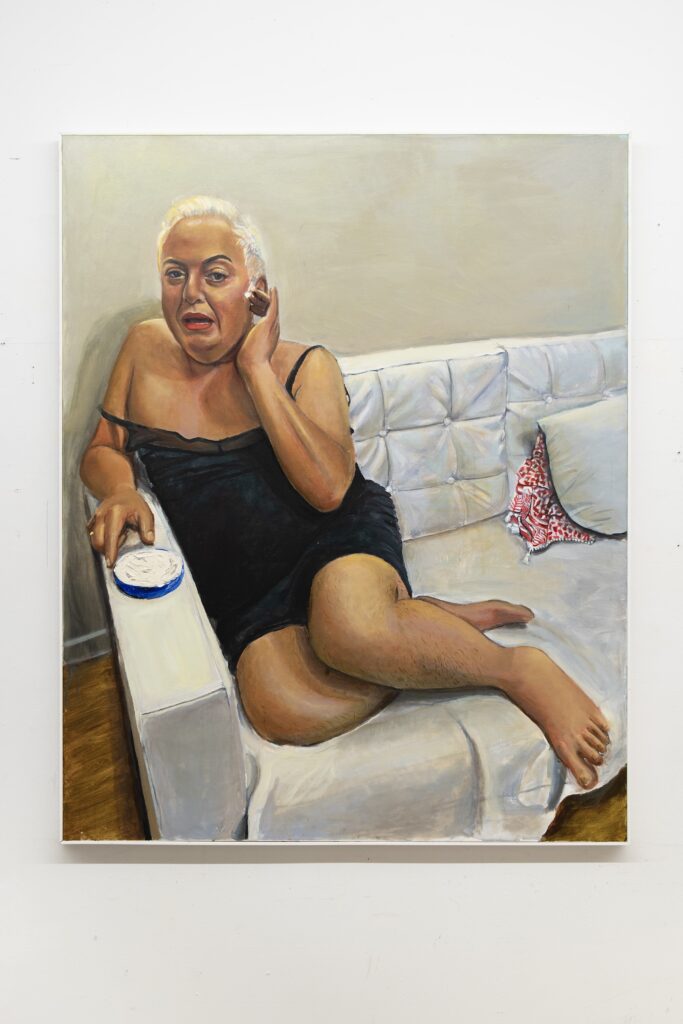
Bottom left: “The Girl”, oil portrait of Sultana by Ridikkuluz.
Bottom right: Sultana and Ridikkuluz, Paris 2024, by Khalid Abdel-Hadi.
“I love being on stage,” she told me. “When I’m under the lights, I feel like I’m healing. From my father’s suicide, from what’s been done to Palestinians, from the art world itself.”
In that moment, she wasn’t just surviving, she was passing the torch. She looked out at the crowd, kids with blue hair, dangly earrings, and a kind of freedom she never had, and smiled.
She walked so they could run.